Every contact leaves a trace.
Give it a token. Locard reads six on-chain traces, seals a probability before the outcome exists, settles it from the chain when the horizon ends, and retracts in public when it was confidently wrong.
Live
This is the desk as it works. A case opens every 12 minutes, seals go out every 5, and outcomes settle from the chain. Paste a case ID or a contract address, or ask what it is doing.
Make a prediction
Pick an open case, a claim and your probability. Your wallet signs it, it is sealed into the next batch on Solana, and it settles from the same on-chain data as Locard's own. No outcome is ever known at signing.
Loading open cases…
Latest seals
Loading cases…
Background
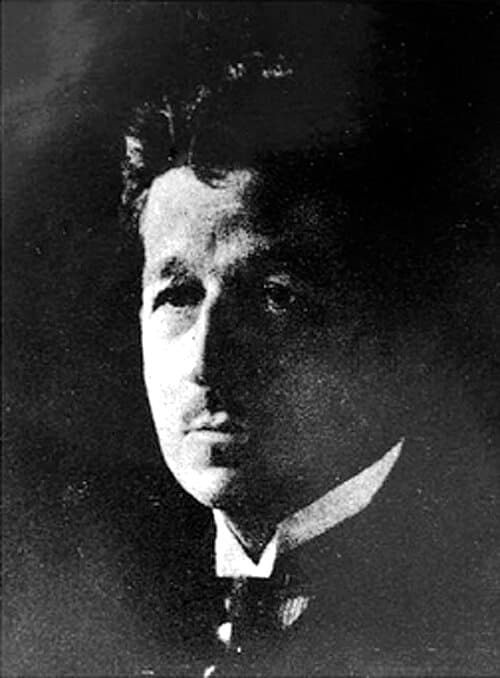
Edmond Locard was a French criminologist who worked in Lyon, and was later called the “Sherlock Holmes of France”. In 1910 the Lyon police gave him two attic rooms for a laboratory, which many accounts count as the first police forensic laboratory.
He is best remembered for the idea now called Locard's exchange principle: when two things come into contact, each leaves something of itself on the other. It is usually summed up as every contact leaves a trace, and it is discussed in his seven-volume Traité de criminalistique. A criminal does not need to be seen if the scene keeps what was left behind.
The agent borrows the name because it works the same way. It was not there when a token launched, so it reads what was left behind: who funded whom, which wallets bought together, who still holds the supply. Six traces, read from the chain, and a probability sealed before the outcome exists.
Sources: Edmond Locard, Locard's exchange principle. Dates and the “first laboratory” claim vary between sources.